
Corn Silk: Its Health and Beauty Benefits
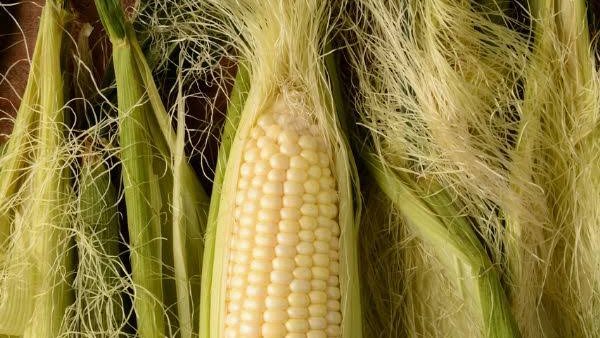
Corn silk is a thin, thread-like substance that grows from the end of corn cobs. This natural ingredient has been used for centuries in traditional medicine for a variety of health and beauty benefits.
Health benefits of corn silk
Corn silk has a number of potential health benefits, including:
- Diuretic: Corn silk helps to increase urine production, which can help to flush toxins from the body.
- Anti-inflammatory: Corn silk contains anti-inflammatory properties that can help to reduce inflammation in the body. This can be beneficial for conditions such as arthritis, acne, and eczema.
- Analgesic: Corn silk may help to relieve pain, such as menstrual cramps and muscle pain.
- Digestive aid: Corn silk may help to improve digestion and prevent constipation.
- Cholesterol-lowering: Corn silk may help to lower levels of bad cholesterol in the blood.
- Liver protection: Corn silk may help to protect the liver from damage.
Beauty benefits of corn silk
Corn silk also has a number of potential beauty benefits, including:
- Improved hair health: Corn silk may help to moisturize hair and prevent hair loss.
- Dandruff treatment: Corn silk may help to treat dandruff.
- Improved skin health: Corn silk may help to moisturize skin and brighten complexion.
How to use corn silk
Corn silk can be used in a variety of ways, including:
- Corn silk tea: Corn silk tea can be made by boiling corn silk in water for 10-15 minutes. The tea can be drunk twice daily.
- Corn silk decoction: Corn silk decoction can be made by boiling corn silk in water for 30 minutes. The decoction can be used as a hair or skin wash.
- Corn silk extract: Corn silk extract can be purchased from health food stores or online. The extract can be used as a hair or skin wash.
Tips for using corn silk
- Use organic corn silk whenever possible.
- If you have any health conditions, talk to your doctor before using corn silk.
Conclusion
Corn silk is a natural ingredient with a number of potential health and beauty benefits. It can be used in a variety of ways, including tea, decoction, and extract.