
Peanuts : Multiple Health Benefits and High Nutritional Value
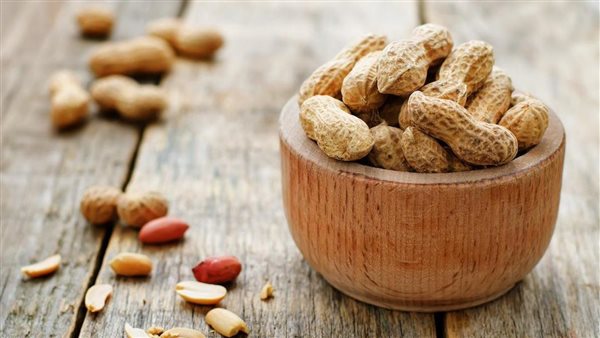
Peanuts are a type of nut that are known for their delicious taste and numerous health benefits. They are a good source of protein, healthy fats, fiber, vitamins, and minerals.
The health benefits of peanuts can be summarized in the following points
- Heart health: Peanuts help to lower LDL cholesterol levels in the blood, which can reduce the risk of heart disease.
- Brain health: Peanuts contain antioxidants that help protect the brain from damage.
- Gut health: Peanuts contain fiber that helps regulate bowel movements and reduce the risk of constipation.
- Bone health: Peanuts contain calcium and magnesium, which are important minerals for bone health.
- Skin health: Peanuts contain vitamin E, an antioxidant that helps protect the skin from sun damage.
Peanuts are a healthy and nutritious food that can be enjoyed as a snack or added to various dishes.
In addition to the health benefits mentioned above, peanuts may also help with
- Weight loss: Peanuts are high in protein and fiber, which help to keep you feeling full for longer, which may help with weight loss.
- Improved brain function: Peanuts may help improve memory and focus.
- Eye health: Peanuts may help protect the eyes from age-related macular degeneration, a disease that affects the eyes as people age.
Tips for eating peanuts:
- It is preferable to eat unsalted or low-salt peanuts.
- It is preferable to eat raw or slightly roasted peanuts.
- Peanuts can be eaten as a snack or added to various dishes, such as salads, sandwiches, and smoothies.
Recommended amounts of peanuts:
- The recommended daily amount of peanuts is between 30 and 50 grams.
- If you have a peanut allergy, you should avoid eating them.